
South Africa expose Australia weaknesses as England watch ahead of Ashes
South Africa’s 2-1 series victory over Australia has raised questions about Pat Cummins, exposed top-order and short-ball weaknesses, and offered England valuable clues before their upcoming tour and next summer’s Ashes campaign.
2026-11-01
South Africa’s 2-1 series victory over Australia has provided England with a detailed assessment of the challenges awaiting them, while raising fresh questions about the reigning world champions’ direction. The Proteas won the deciding Test by 176 runs at Newlands in Cape Town after Australia collapsed for 111 while chasing 288 on the fifth day.
The result ended Australia’s two-and-a-half-year stay at the top of the Test rankings and saw South Africa take over the summit, while New Zealand moved into first place in the World Test Championship standings. Australia have now lost three of their last five Tests, with repeated failures from the top order prompting captain Pat Cummins to concede that selection and personnel changes will be discussed before their next Test assignment against New Zealand in December.
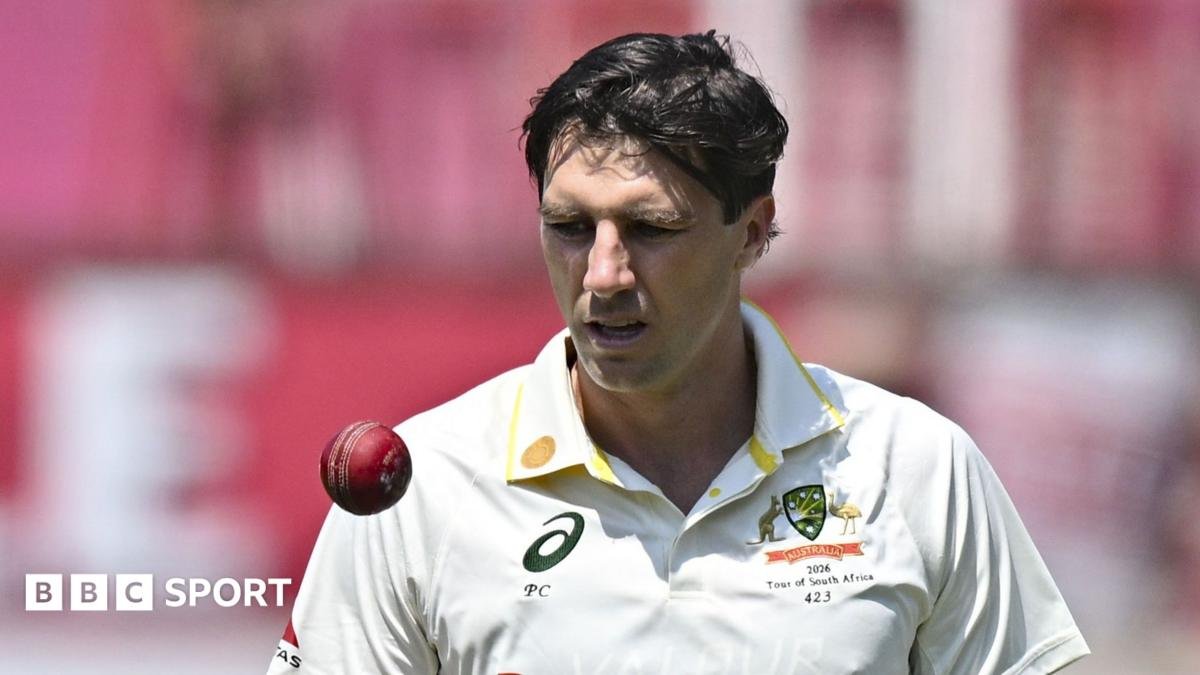
Cummins himself is facing unusual scrutiny. The 33-year-old went more than 62 overs without a wicket between the second innings of the first Test and South Africa’s second innings in Cape Town, returning a series bowling average of 53.66. Only once in his career has he recorded a higher mark. His expected-wickets figure of 29.6 suggests he bowled better than the results indicate, but Australia’s captain was also criticised for choosing to bowl first in the deciding Test and for being unable to immediately contain South Africa’s aggressive opening approach.
South Africa’s lower order ultimately proved decisive. After being reduced to 140-4, the hosts were carried to 387 by a 154-run sixth-wicket stand between Ryan Rickelton and Wiaan Mulder. Rickelton made 101 from 219 balls and Mulder 115 from 221, before Australia were set a demanding target. Australia had taken a 100-run first-innings lead after South Africa made 329 and the visitors replied with 429, but the hosts’ resistance changed the match.
The series also highlighted the value of batting deep. South Africa added 315 runs after their sixth wicket fell in the second Test and 206 for their final five wickets in Cape Town, while Australia scored 266 in the same phase of the first Test. As the ball softened, wickets became harder to take: one fell every 60 balls after the ball was 40 overs old, compared with every 37 balls during England’s series against New Zealand earlier in the summer.
England’s spin dilemma has been brought sharply into focus. Simon Harmer claimed 10-120 in Cape Town, where the average turn of 4.35 degrees was the fourth-highest recorded at Newlands. England have recently preferred four frontline seamers—Jofra Archer, Ollie Robinson, Josh Tongue and Gus Atkinson—under Test captain Joe Root, but may need to consider Shoaib Bashir, Jack Leach, Mason Crane or Liam Patterson-White for the venue. Since returning to Test cricket in 2022, Harmer has the best average of any spinner worldwide.
Harmer’s presence could also give England a route into South Africa captain Temba Bavuma’s batting. He was dismissed by off-spin in four of his five innings against Australia, with the exception being his match-turning 179 in the second Test, when Australia omitted Nathan Lyon. Bavuma’s average against spin has fallen from 46.85 before 2025 to 21.37 since then, including 15.00 against off-spin and 12.16 when the bowler comes over the wicket.
South Africa remain vulnerable to the short ball, with seven wickets in the third Test falling to hook or pull shots. Australia, meanwhile, found an encouraging answer to one of their own selection problems in Matt Renshaw, who averaged 61.50 in his first full series since recall. His 190 at number five and 74 as an opener suggest the long search for David Warner’s replacement may be ending, although Marnus Labuschagne has gone 49 Test innings without a century and appears at risk of losing his place. England can assess plans for Renshaw in the one-off 150th anniversary Test in Melbourne in March before the Ashes, with Stephen Fleming’s side also needing to identify South Africa’s weaknesses before the next major contest.