Explore more than three centuries of Afghanistan's political history through its principal rulers, heads of state and major transitions. Choose an era to jump directly into the leader archive.
1709–PresentHistorical span
38Leader profiles
300+ yearsIn one archive
Timeline overview
Major political eras
Select an era to move to the corresponding part of the leader archive. Dates are broad period markers; some transitions involved competing authorities and overlapping claims.
1709174719191973199220012021Present
Historical note: Afghanistan's political history includes disputed successions, rival governments and periods of overlapping authority. The era labels are navigation aids rather than judgments about legitimacy.
AFGHAN ATALAN · OUR HERITAGE
A nation. Centuries of history.
Explore Afghanistan’s rulers, presidents and turning points — from the Hotak and Durrani eras to the present.
1709 — PRESENTLEADERS · BIOGRAPHIES · TIMELINE
A HISTORY OF CHANGE
People behind the turning points.
Afghanistan’s history reaches far beyond its modern borders. This guide follows the principal rulers and heads of state from 1709, with an earlier-history timeline. Years can overlap where power was divided or disputed. Inclusion records a historical role, not an endorsement.
Rulers & presidents
38 biographies
Hotak era
1709–1715
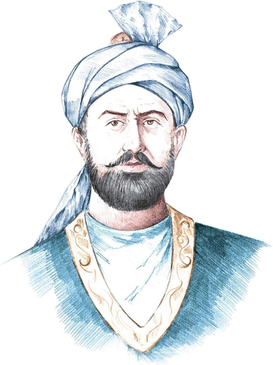
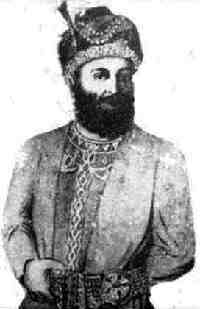
Mirwais Hotak
Founder of the Hotak dynasty
A tribal leader from Kandahar, Mirwais led an uprising against Safavid rule in 1709. He established the Hotak dynasty, an important predecessor to the later Durrani state.
Key achievement / defining development
Led the 1709 revolt that ended Safavid rule in Kandahar and established an independent Hotak state.
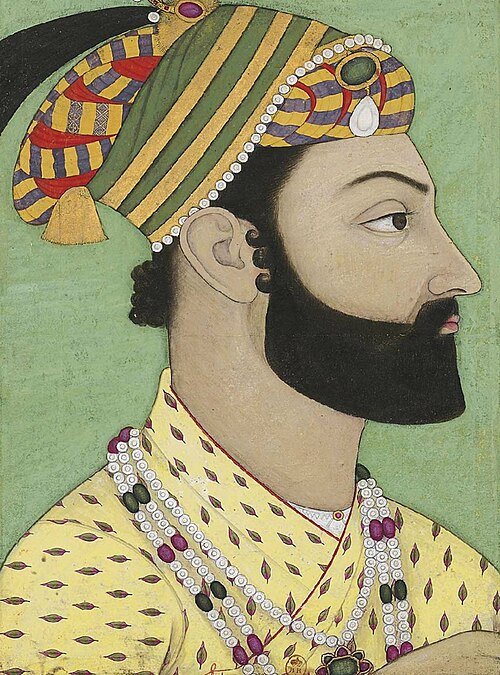
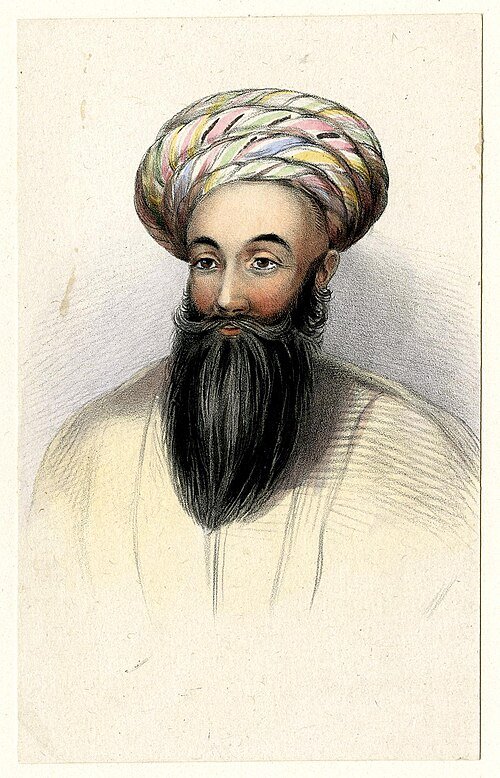
A nephew of Mirwais, Ashraf succeeded Mahmud in Persia. Nader’s forces defeated him in 1729, ending Hotak control there; Hotak rule continued separately in Kandahar.
Key achievement / defining development
Held Hotak authority in Persia for several years after succeeding Mahmud and defended his rule against rival forces before his defeat in 1729.
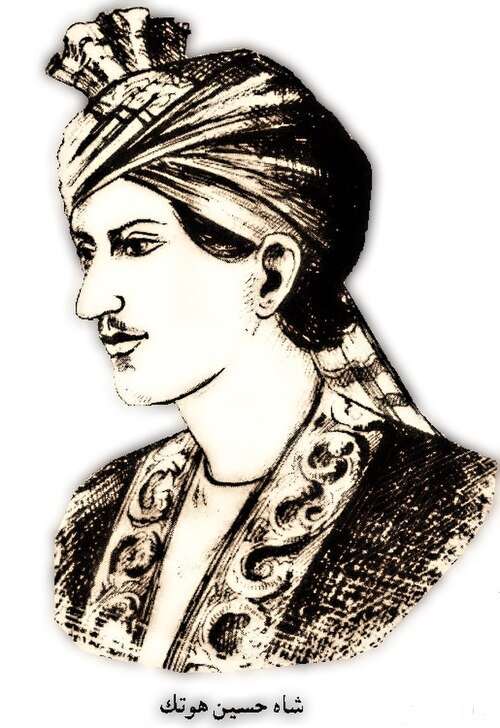
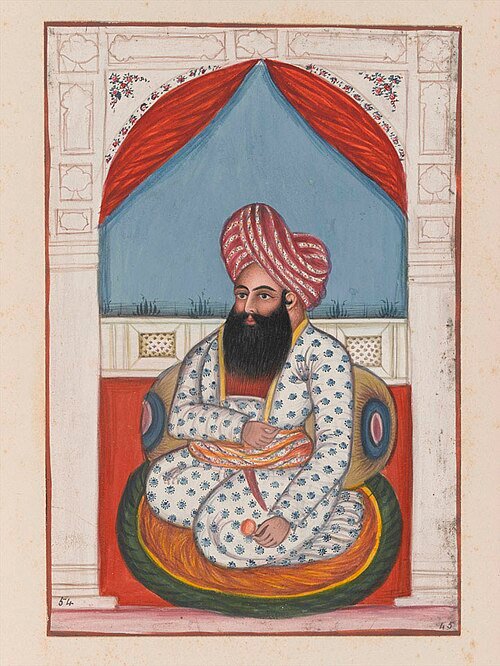
Hussain, a son of Mirwais and a Pashto poet, governed Kandahar while Ashraf ruled in Persia. His reign ended when Nader Shah captured Kandahar in 1738. Sources differ on the year his rule began.
Key achievement / defining development
Preserved Hotak rule in Kandahar after the dynasty lost Persia, governing there until Nader Shah captured the city in 1738.
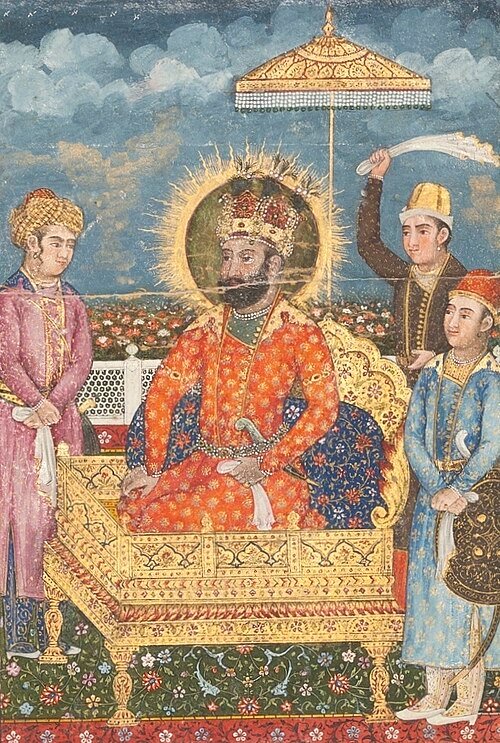
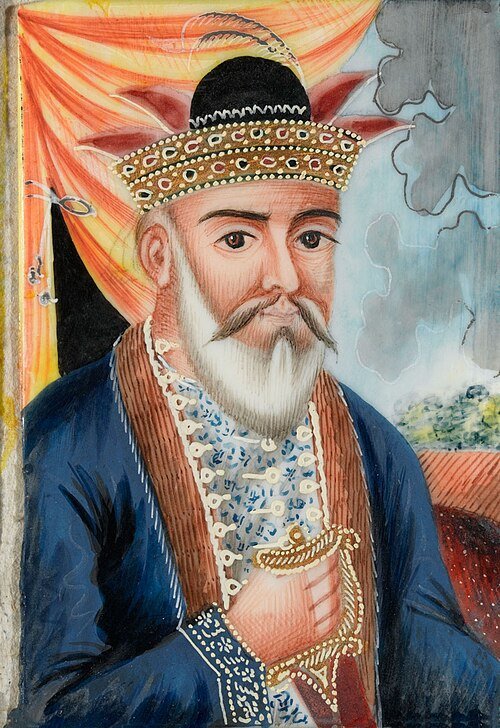
Ahmad Shah established the Durrani Empire in 1747 and is widely regarded as the founder of modern Afghanistan. Based in Kandahar, he led campaigns that extended his empire across much of the surrounding region.
Key achievement / defining development
Founded the Durrani Empire in 1747 and brought a large territory under Afghan rule, forming the political core associated with the modern Afghan state.
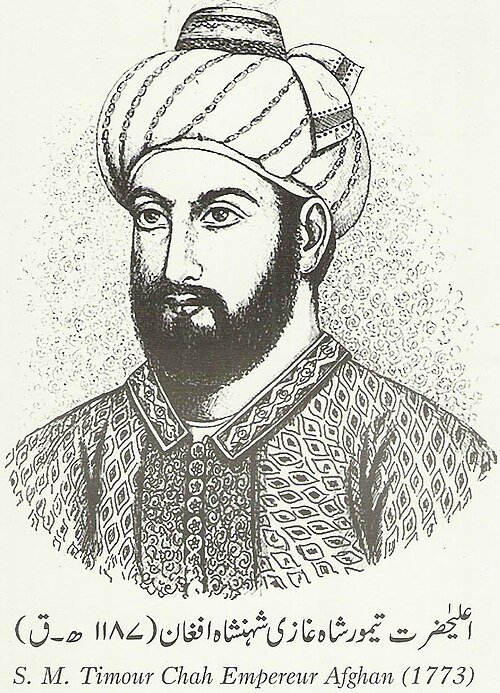
Ahmad Shah’s son inherited the empire and moved its capital from Kandahar to Kabul. His reign faced regional challenges, and his death was followed by struggles among his sons for the throne.
Key achievement / defining development
Moved the main royal capital from Kandahar to Kabul, strengthening Kabul’s long-term role as Afghanistan’s political center.
A son of Timur Shah, Zaman succeeded to the throne amid competition within the royal family. He lost power to his brother Mahmud as succession conflicts weakened the empire.
Key achievement / defining development
Temporarily restored strong central Durrani authority and campaigned to preserve the empire during a period of growing dynastic rivalry.
Mahmud held the Durrani throne twice during prolonged dynastic conflict. After losing wider authority in 1818, he continued to rule in Herat until his death in 1829.
Key achievement / defining development
Regained the Durrani throne twice and presided over Afghanistan during a major transition in which Barakzai influence grew sharply.
Shuja was a son of Timur Shah. After years in exile, he returned to the throne with British military support during the First Anglo-Afghan War; he was assassinated in Kabul in 1842.
Key achievement / defining development
Returned to the Afghan throne in 1839 after decades in exile, becoming a central figure in the First Anglo-Afghan War.
Another son of Timur Shah, Ayub ruled during the final fragmentation of Durrani authority. His removal marked the ascendancy of Barakzai leaders, although Durrani claimants returned briefly during the first Anglo-Afghan war.
Key achievement / defining development
His reign marked the final phase of Sadozai rule before political power shifted decisively toward the Barakzai dynasty.
Dost Mohammad founded the Barakzai ruling dynasty. Displaced during the First Anglo-Afghan War, he returned to power and expanded his authority, taking Herat shortly before his death in 1863.
Key achievement / defining development
Reunified much of Afghanistan under Barakzai rule and re-established Kabul-centered authority after years of dynastic fragmentation.
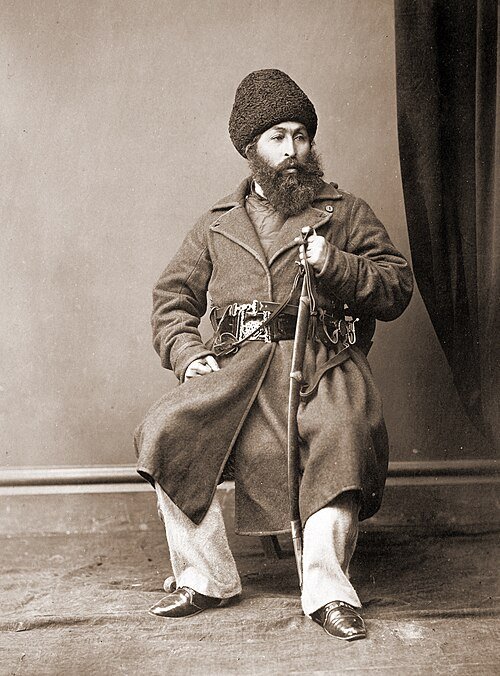
A son of Dost Mohammad, Sher Ali ruled in two periods interrupted by a family succession war. His attempts to manage relations with Britain and Russia preceded the Second Anglo-Afghan War.
Key achievement / defining development
Pursued state modernization, including efforts to strengthen the army and central administration, while navigating British and Russian pressure.
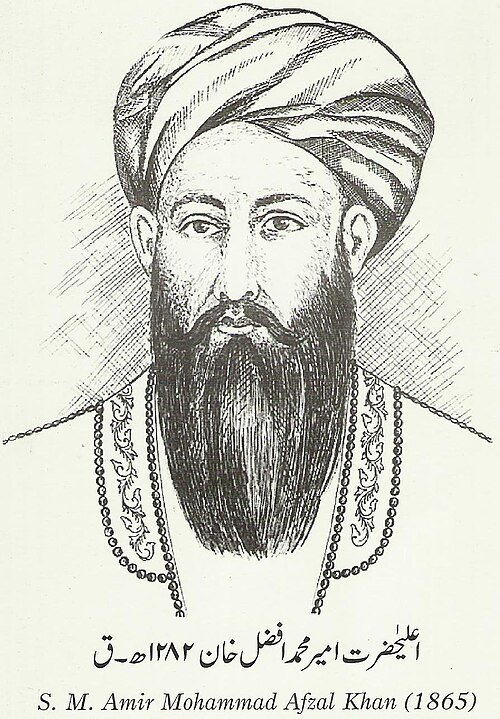
Dost Mohammad’s son Afzal displaced his half-brother Sher Ali during a civil war. His short reign ended with his death; his son Abdur Rahman later became emir.
Key achievement / defining development
Secured Kabul and briefly established himself as emir during the Barakzai succession struggle of the 1860s.
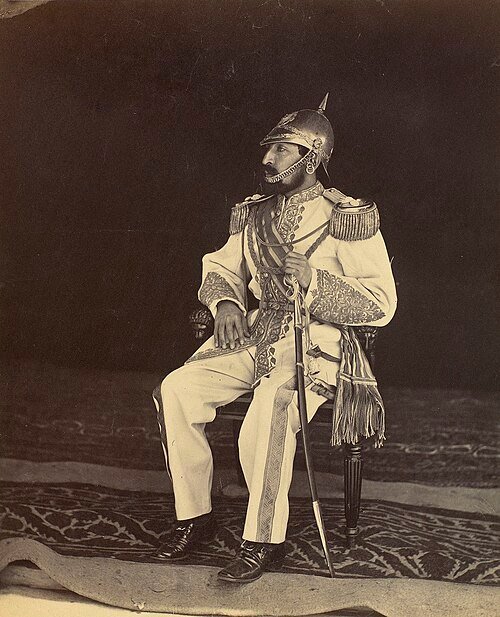
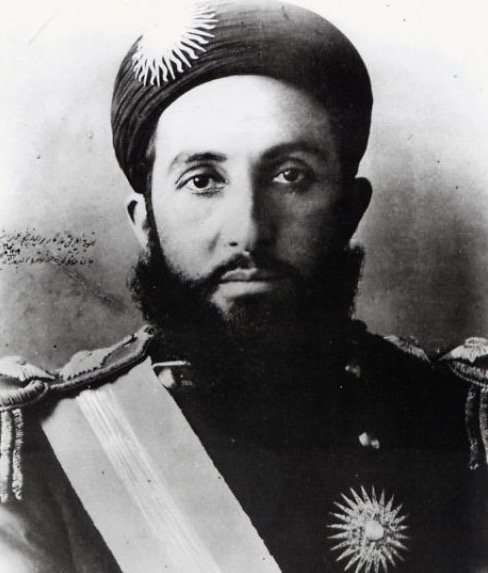
Sher Ali’s son became emir during the Second Anglo-Afghan War. He signed the Treaty of Gandamak with Britain and abdicated later that year amid renewed conflict.
Key achievement / defining development
Concluded the Treaty of Gandamak in 1879, a defining event of the Second Anglo-Afghan War that reshaped Afghanistan’s external relations.
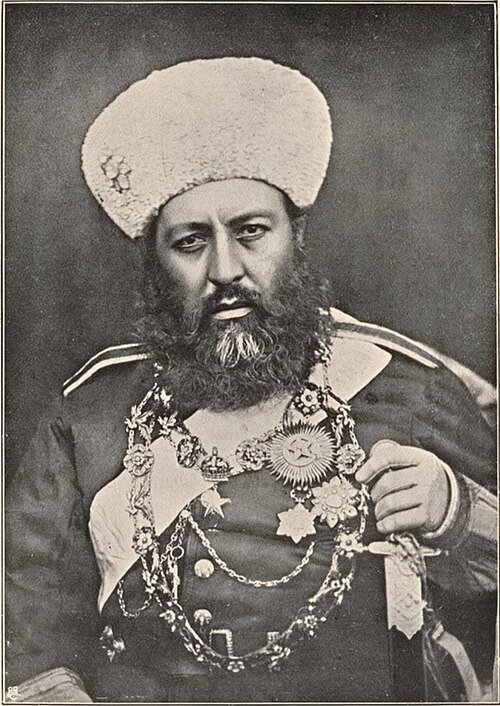
Known as the “Iron Emir,” Abdur Rahman strengthened central rule and negotiated the 1893 Durand Line agreement. His consolidation of power involved severe repression, including devastating campaigns against Hazara communities.
Key achievement / defining development
Built a much stronger centralized Afghan state, extending the authority of Kabul across much of the country and creating durable administrative structures.
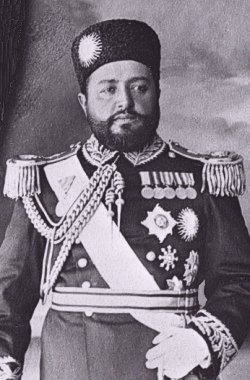
Abdur Rahman’s son supported educational and technical initiatives while preserving the monarchy. He kept Afghanistan neutral during the First World War and was assassinated in 1919.
Key achievement / defining development
Expanded education and modernization initiatives while keeping Afghanistan officially neutral during the First World War.
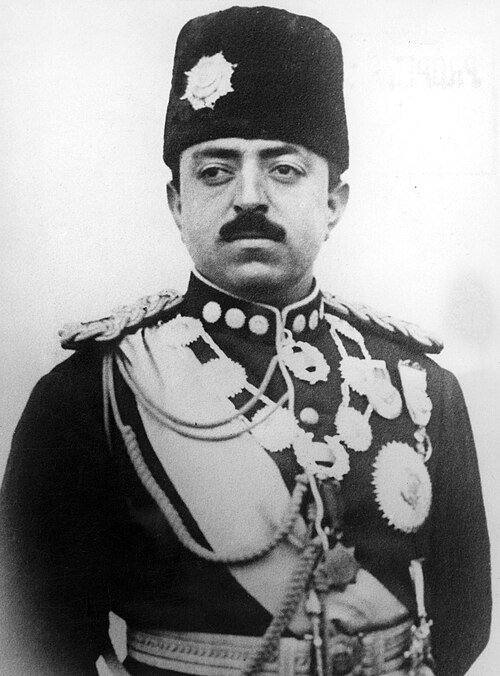
Amanullah secured independence in Afghanistan’s foreign affairs after the 1919 war with Britain. He pursued constitutional, educational and social reforms, but opposition and rebellion forced him to abdicate in 1929.
Key achievement / defining development
Secured Afghanistan’s full control over its foreign affairs in 1919 and launched an ambitious program of constitutional, educational and social reform.
Amanullah’s elder brother briefly accepted the crown after his abdication. With rebel forces advancing in Kabul, Inayatullah also abdicated and left the country.
Key achievement / defining development
His three-day reign represented an attempted peaceful dynastic transfer during the January 1929 crisis before he abdicated.
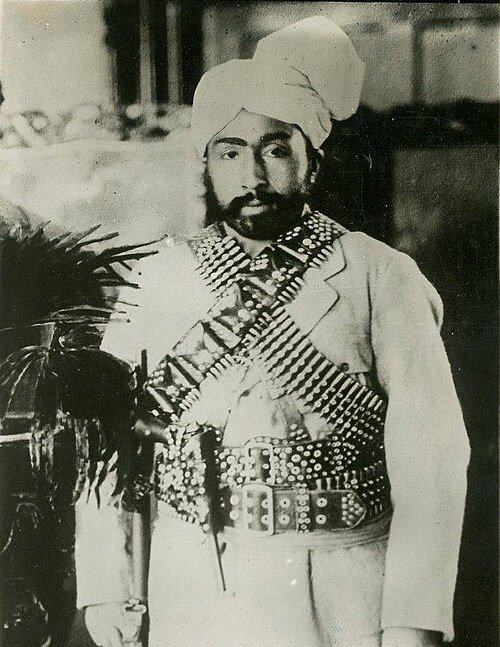
Kalakani captured Kabul during the revolt against Amanullah and ruled for much of 1929. Nadir Khan’s forces defeated him; he was subsequently executed.
Key achievement / defining development
Captured Kabul and displaced Amanullah’s government during the 1929 civil conflict, briefly establishing a new regime.
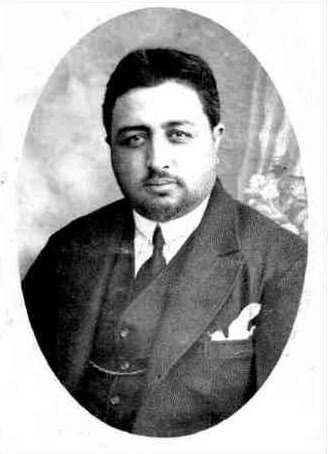
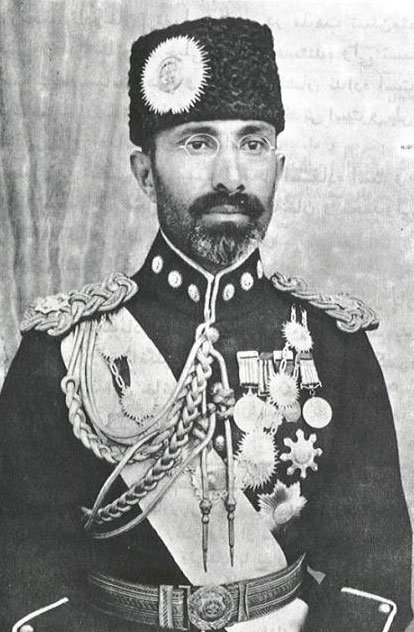
A former military commander, Nadir took the throne after defeating Kalakani. He restored the monarchy and pursued a more gradual approach to reform before his assassination in 1933.
Key achievement / defining development
Restored the monarchy after the 1929 civil conflict and introduced the 1931 constitution while rebuilding central state institutions.
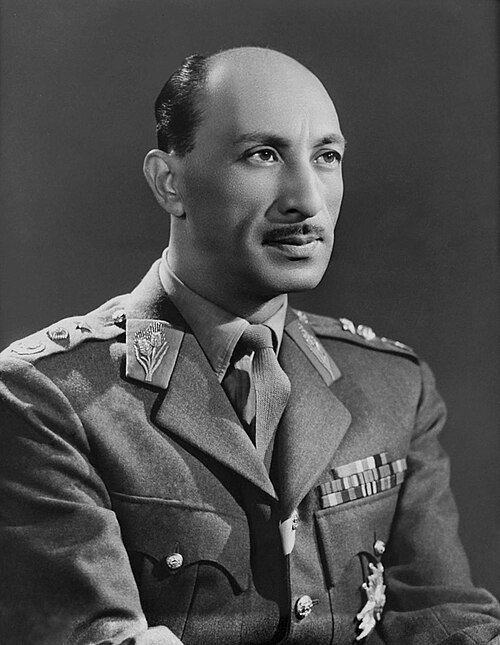
Zahir Shah reigned for forty years. His later reign included the 1964 constitution and parliamentary politics; a coup led by his cousin Daoud ended the monarchy while he was abroad.
Key achievement / defining development
Oversaw a long period of relative state continuity and modernization; the 1964 constitution introduced a more representative constitutional framework.
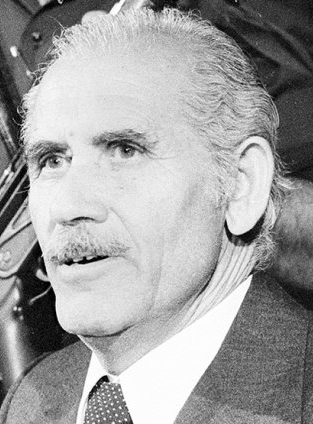
A former prime minister and cousin of Zahir Shah, Daoud abolished the monarchy and established a republic in 1973. He was killed during the PDPA-led Saur coup of April 1978.
Key achievement / defining development
Abolished the monarchy in 1973 and established the Republic of Afghanistan, becoming the country’s first president.
An air-force officer involved in the Saur coup, Abdul Qadir briefly headed the military revolutionary council. Authority passed to Nur Muhammad Taraki at the end of April 1978.
Key achievement / defining development
Played a leading role in the April 1978 military takeover that ended Daoud Khan’s republic and transferred power to the PDPA.
A writer and founding PDPA leader, Taraki became head of state after the Saur coup. Coercive reforms and violent repression accompanied mounting rebellion; he was overthrown and killed in 1979.
Key achievement / defining development
Became the first head of the Democratic Republic of Afghanistan after the 1978 Saur Revolution and initiated a sweeping state reform program.
A leading figure in the PDPA’s Khalq faction, Amin displaced Taraki and briefly ruled the country. Soviet forces killed him during their intervention in December 1979.
Key achievement / defining development
Consolidated control of the PDPA government in late 1979; his short rule ended during the Soviet military intervention in December.
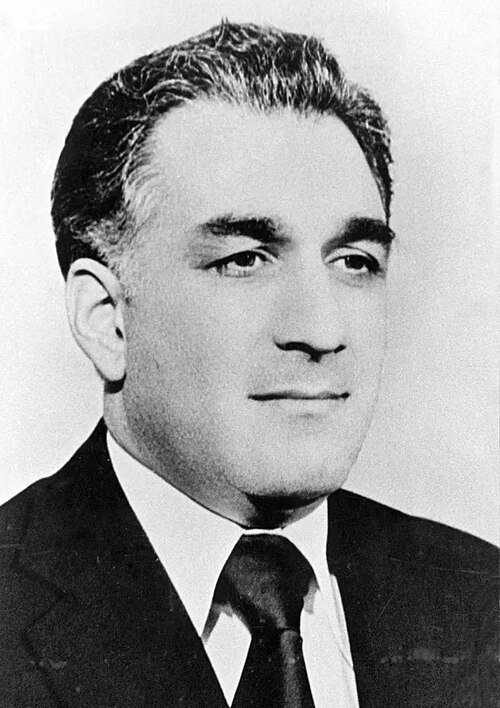
A founding PDPA politician from its Parcham faction, Karmal took power with Soviet backing. His leadership coincided with the Soviet–Afghan War; he was replaced during the transition toward Najibullah’s leadership.
Key achievement / defining development
Led the Soviet-backed Afghan government through the early 1980s and promoted a broader political front around the PDPA administration.
◇Portrait unavailableNo verified reusable portrait included
Republic & PDPA
1986–1987
Haji Mohammad Chamkani
Interim head of state
Chamkani chaired the Revolutionary Council between Karmal’s departure and Najibullah’s presidency. His brief tenure overlapped with Najibullah’s leadership of the ruling party.
Key achievement / defining development
Served as interim head of state during the transition from Babrak Karmal to Mohammad Najibullah and the early national-reconciliation period.
A former intelligence chief, Najibullah pursued a policy called national reconciliation. His government survived the Soviet withdrawal in 1989 but collapsed in 1992; the Taliban killed him in Kabul in 1996.
Key achievement / defining development
Introduced the policy of National Reconciliation and a 1987 constitution as his government sought a political settlement while Soviet forces withdrew.
◇Portrait unavailableNo verified reusable portrait included
Republic & PDPA
April 1992
Abdul Rahim Hatif
Acting president
A former vice president, Hatif briefly exercised presidential authority after Najibullah lost power. His tenure ended as mujahideen leaders assumed control in Kabul.
Key achievement / defining development
Oversaw the final days of the Republic of Afghanistan in April 1992 and the transfer of authority as the Najibullah government collapsed.
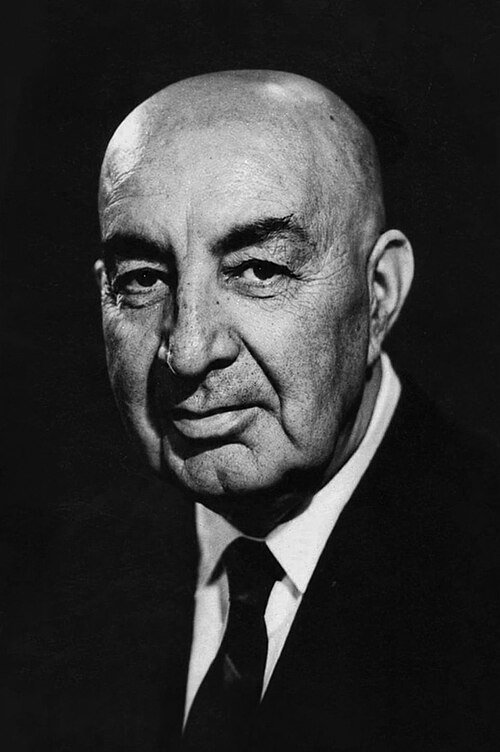
A religious scholar and mujahideen leader, Mojaddedi headed the first interim administration after the fall of Najibullah’s government. He handed the presidency to Burhanuddin Rabbani after a short transitional term.
Key achievement / defining development
Served as the first interim president of the post-PDPA Islamic State in 1992 and transferred power under the Peshawar Accord timetable.
A scholar and Jamiat-e Islami leader, Rabbani held the presidency during the civil war. After the Taliban took Kabul in 1996, his government retained international recognition; he briefly returned to Kabul’s presidency in late 2001.
Key achievement / defining development
Led the internationally recognized Islamic State of Afghanistan through much of the 1990s and again briefly after the Taliban government fell in 2001.
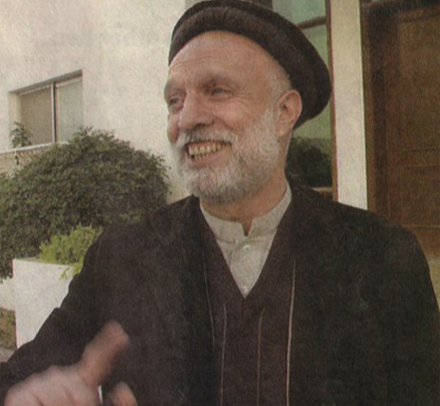
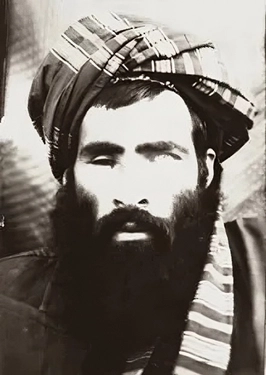
Mullah Omar founded and led the Taliban movement, which took Kabul in 1996. Its first government imposed strict restrictions and lost power following the US-led intervention and advances by Afghan opponents in 2001.
Key achievement / defining development
Unified the Taliban movement under his leadership and established Taliban control over most of Afghanistan by the late 1990s.
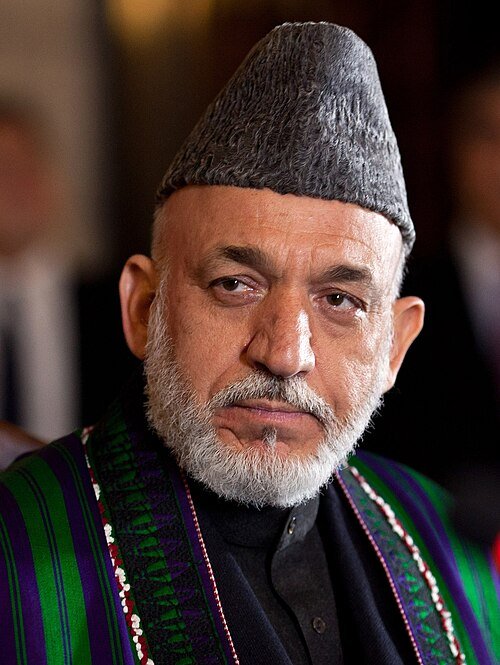
Karzai led the interim administration formed after the 2001 Bonn agreement and later the transitional government. He won the 2004 presidential election and served as president during reconstruction and a growing insurgency.
Key achievement / defining development
Led Afghanistan’s post-2001 political transition, including adoption of the 2004 constitution and the establishment of new national institutions and elections.
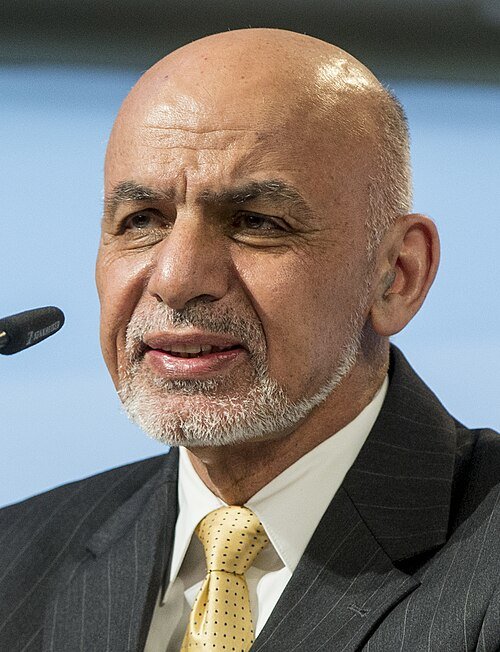
An academic and former finance minister, Ghani became president in 2014. His presidency ended in August 2021 when he left Afghanistan as Taliban forces entered Kabul and the republic collapsed.
Key achievement / defining development
During his presidency, Afghanistan experienced major infrastructure and digital-government initiatives and a transition toward greater formal Afghan responsibility for state administration and security.
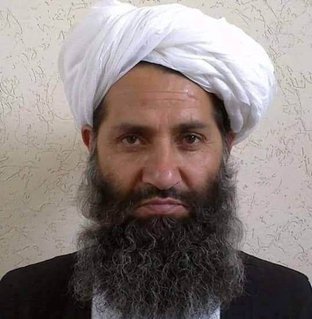
A cleric who has led the Taliban since 2016, Akhundzada became Afghanistan’s de facto supreme leader after the Taliban returned to power in August 2021. His administration has imposed severe restrictions on women’s education, work and public life.
Key achievement / defining development
Since the Taliban’s 2021 return to power, the de facto authorities under his leadership have consolidated nationwide control; UN reporting also notes a major reduction in opium-poppy cultivation alongside severe restrictions on women and girls.
No leaders match your search. Try another name or reset the filters.
Brief reigns, disputed claims & how to read the dates
This is an introductory guide to principal leaders, not an exhaustive list of every regional ruler. Ali Shah Durrani (1818; some lists extend his reign to 1819), Sultan Mohammad Khan (1823–1826), Mohammad Akbar Khan (1842–1843) and the short-lived Durrani claimants Fateh Jang and Shahpur in 1842 also belong to the succession history. Ayub Khan held regional power and challenged Abdur Rahman in 1880–1881; Ali Ahmad Khan claimed the throne during the 1929 conflict.
Rabbani’s government retained international recognition after losing Kabul to the Taliban in 1996. Amrullah Saleh claimed the acting presidency after Ghani’s departure in August 2021, without control of the country. Since 2021, Akhundzada has held de facto supreme authority; this is not an elected presidency. Heads of government and insurgent leaders are not automatically heads of state.
Selected milestones in the lands that make up Afghanistan today. Ancient empires did not share the borders of the modern state.
Ancient world
A crossroads of cultures
Long before the modern Afghan state existed, the region connected the Iranian plateau, Central Asia and the Indian subcontinent. Mountain passes and river valleys carried traders, migrants and armies, while settled communities developed agriculture and urban life. This position brought diverse languages, beliefs and artistic traditions into contact, helping explain the many cultural layers found in Afghanistan’s historical sites.
6th–4th c. BCE
Achaemenids and Alexander
Parts of present-day Afghanistan belonged to the Achaemenid Persian Empire, including territories associated with Bactria and Arachosia. Alexander’s campaigns in the fourth century BCE brought these lands into a new imperial struggle, but resistance continued in several areas. The Greek-influenced kingdoms that followed contributed to a cultural exchange in which local, Iranian and Hellenistic traditions existed alongside one another.
1st–3rd c. CE
The Kushan era
The Kushan Empire connected territories in Central Asia with much of northern South Asia, placing parts of today’s Afghanistan within a major network of trade and cultural exchange. Its rulers supported a varied religious landscape, and Buddhism flourished under royal patronage. Kushan-era art and coinage reflect the meeting of different traditions, while routes through the region helped ideas travel far beyond its borders.
7th–11th centuries
The spread of Islam
The arrival of Muslim armies in the seventh century began a long and uneven process of political and religious change. Islam spread over generations through conquest, trade and the influence of local rulers, rather than replacing earlier beliefs everywhere at once. By the Ghaznavid period, Ghazni had become an important centre of government, Persian literature and Islamic scholarship, with connections extending into South Asia.
13th–15th centuries
Mongols and Timurids
Mongol invasions in the thirteenth century devastated numerous settlements and disrupted established political and economic networks. Later rulers rebuilt centres of power, and the Timurid period brought a remarkable flourishing of court culture. In fifteenth-century Herat, patrons supported poetry, painting, architecture and scholarship. This artistic legacy remains a major part of Afghanistan’s heritage, despite the warfare that also shaped the wider era.
1709
The Hotak uprising
Mirwais Hotak led an uprising against Safavid authority in Kandahar and established an independent local government. This marked the beginning of the Hotak dynasty, whose influence later extended into Persia under his successors. The uprising is an important milestone in the development of Afghan political independence, although the territory and institutions of the later Afghan state had not yet taken their modern form.
1738
Nader Shah takes Kandahar
After a prolonged siege, Nader Shah’s forces captured Kandahar and ended the rule of Hussain Hotak, the dynasty’s last ruler there. Hotak power in Persia had already collapsed, making Kandahar its final major stronghold. The conquest brought the region under Nader’s expanding empire. His death in 1747 would create a new opening for Afghan leadership and the establishment of the Durrani state.
1747
The Durrani state
Ahmad Shah Durrani established a new empire after Nader Shah’s death, with Kandahar as its political centre. Through alliances and military campaigns, Durrani authority spread across a large area extending beyond the borders of present-day Afghanistan. Ahmad Shah is widely regarded as the founder of modern Afghanistan, although his empire was a different political and territorial formation from the country that developed in later centuries.
1770s
Kabul becomes the capital
Timur Shah, Ahmad Shah Durrani’s successor, moved the royal capital from Kandahar to Kabul during the 1770s. The transfer made Kabul the centre of the court and administration and strengthened its lasting political importance. The empire still depended on negotiations with regional leaders, and rivalry within the royal family intensified after Timur’s death, contributing to the weakening of Durrani authority.
1839–1842
First Anglo-Afghan War
British forces intervened to remove Dost Mohammad Khan and restore Shah Shuja, seeking a government they believed would protect British interests near India. Opposition to the occupation grew, culminating in the disastrous retreat from Kabul in January 1842. After further fighting and a British withdrawal, Dost Mohammad eventually returned to power. The war exposed the costs of imposing a ruler through foreign military intervention.
1878–1880
Second Anglo-Afghan War
Renewed rivalry between Britain and Russia contributed to a second British invasion. Under the Treaty of Gandamak, Emir Yaqub Khan accepted British influence over Afghanistan’s foreign relations, but further fighting followed. Afghan forces won a major victory at Maiwand in 1880. Abdur Rahman emerged as emir, and the eventual settlement left Afghanistan internally governed by its own ruler while its external affairs remained constrained.
1893
The Durand agreement
Emir Abdur Rahman Khan and British representative Mortimer Durand signed an agreement defining a frontier between Afghanistan and British India’s sphere of authority. Subsequent demarcation affected communities with longstanding connections across the area, including Pashtun populations. The line later became the Afghanistan–Pakistan boundary. Its history and political status have remained sources of disagreement between Afghan and Pakistani governments and an important influence on regional relations.
1919
Independence in foreign affairs
Amanullah Khan asserted Afghanistan’s independence in foreign affairs soon after becoming emir. A brief war with British India was followed by the Treaty of Rawalpindi, ending British control over Afghan external relations. Independence gave the government greater freedom to establish diplomatic ties directly with other countries. Afghanistan commemorates this achievement on 19 August, a date that remains central to its national historical memory.
1926–1929
Kingdom and upheaval
Amanullah adopted the title of king in 1926 as part of a wider effort to reshape the state. His programme included changes to education, administration and social life, building on earlier constitutional reforms. Opposition grew among groups that resisted the pace or substance of these changes. Rebellion forced his abdication in January 1929, followed by a turbulent succession struggle before Nadir Shah established a new monarchy.
1964
A new constitution
A new constitution under Zahir Shah created a framework for a constitutional monarchy with parliamentary institutions and a clearer separation of governmental powers. The following years allowed a more open press and greater public political debate, alongside elections and expanding educational opportunities. However, the system also faced unstable governments and unresolved social and economic pressures. This period ended when the monarchy was overthrown in 1973.
1973
The republic begins
Mohammad Daoud Khan, a former prime minister and cousin of Zahir Shah, seized power while the king was abroad. He abolished the monarchy and proclaimed Afghanistan a republic, becoming its first president. The change ended four decades of Zahir Shah’s reign but concentrated authority in Daoud’s government. Tensions with political opponents, including former communist allies, later contributed to the crisis that brought his rule to an end.
1978
The Saur coup
In April 1978, military officers aligned with the People’s Democratic Party of Afghanistan overthrew Daoud Khan, who was killed during the coup. Nur Muhammad Taraki became the new head of state. The government introduced radical reforms while using harsh repression against opponents, provoking widespread resistance. Divisions within the ruling party and growing conflict helped set the stage for Soviet military intervention the following year.
1979–1989
Soviet intervention and war
Soviet troops entered Afghanistan in December 1979, removed Hafizullah Amin and supported a government led by Babrak Karmal. Mujahideen groups resisted Soviet and Afghan government forces, receiving assistance from several foreign countries. The war caused immense civilian suffering, displacement and destruction. Soviet forces completed their withdrawal in February 1989, but the conflict continued between Najibullah’s government and its armed opponents.
1992
Government collapse and civil war
Najibullah’s government collapsed as it lost crucial support and rival forces advanced toward Kabul. Mujahideen leaders attempted to establish a new political order, with Sibghatullah Mojaddedi briefly preceding Burhanuddin Rabbani as president. Power-sharing arrangements failed to prevent fighting among factions. Battles and bombardment devastated parts of Kabul, while competing authorities controlled other regions, creating conditions in which the Taliban movement later expanded.
1996
The Taliban take Kabul
The Taliban captured Kabul after advancing from their southern strongholds, forcing Rabbani’s government from the capital. Under Mullah Omar, they established an Islamic Emirate and imposed severe restrictions, particularly on women’s education, employment and public life. Their control did not extend over the entire country, and opposition forces continued fighting. Rabbani’s displaced government retained international recognition while the Taliban received recognition from only a few states.
2001
Intervention and the Bonn agreement
Following the 11 September attacks, a US-led intervention and advances by Afghan opponents brought down the first Taliban government. Afghan representatives meeting near Bonn agreed on arrangements for an interim authority led by Hamid Karzai. The agreement outlined a transition involving a loya jirga, constitutional drafting and elections. It began a new political chapter, although lasting security and an inclusive settlement remained difficult to achieve.
2004
Constitution and presidential election
Afghanistan adopted a new constitution establishing the Islamic Republic and a presidential system, with provisions for representative institutions and civil rights. Later that year, Hamid Karzai won the presidential election. These changes formalised a political transition that had begun in 2001 and opened new opportunities for public participation. Their implementation nevertheless took place amid insecurity, institutional weakness and continuing dependence on international support.
2014
A new presidency
Ashraf Ghani became president after a disputed election against Abdullah Abdullah. A negotiated arrangement created a national unity government, with Abdullah serving as chief executive. The transition coincided with Afghan forces assuming greater responsibility for security as the international military mission changed. Political divisions, economic pressures and an intensifying Taliban insurgency placed heavy demands on the new administration and its institutions.
2021
The republic collapses
As international forces withdrew, the Taliban captured provincial centres and entered Kabul on 15 August. President Ashraf Ghani left the country, and the institutions of the Islamic Republic collapsed. A large evacuation followed at Kabul airport before the final US military withdrawal at the end of August. The change brought profound uncertainty for families, public employees and people whose work or rights were threatened by the new authorities.
2021–present
Taliban de facto rule
Following the Taliban’s return to power, Hibatullah Akhundzada has held de facto supreme authority rather than an elected presidency. His administration has imposed extensive restrictions on women’s education, employment and participation in public life. Afghanistan also faces serious humanitarian and economic difficulties. This period remains an unfolding chapter, with the rights and everyday opportunities of Afghans central to understanding its effects on the country.
Continue exploring
History of Afghanistan Cricket
From Afghanistan's early cricket journey to the rise of the national team on the world stage.

 Hotak era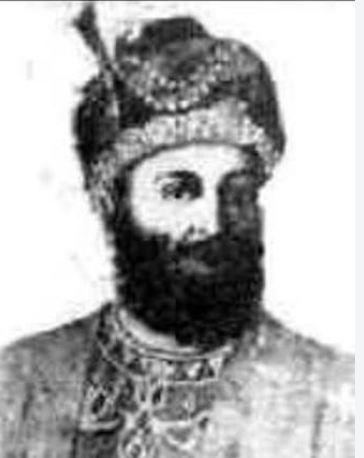


.jpg)

.jpg)


.jpg)
.jpg)

.jpg)

_(2).jpg)
_(2).jpg)